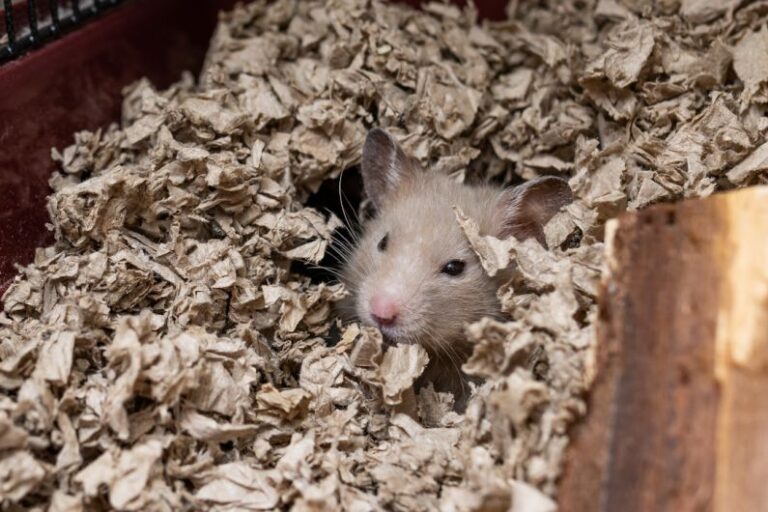

Hamsters are adorable and fun pets to have, but ensuring they have a balanced diet is crucial for their health and well-being. A proper diet not only keeps your hamster healthy but also promotes longevity and happiness. Here’s how you can create a balanced diet for your furry friend.
Understanding Your Hamster’s Nutritional Needs
Hamsters are omnivores, which means they require a mix of proteins, carbohydrates, fats, vitamins, and minerals in their diet. In the wild, hamsters eat a variety of foods like seeds, grains, insects, fruits, and vegetables. As a responsible pet owner, it’s essential to replicate this diverse diet in captivity to ensure your hamster receives all the necessary nutrients.
Selecting the Right Food for Your Hamster
When choosing commercial hamster food, opt for high-quality pellets or mixes specifically formulated for hamsters. These commercial foods are balanced to meet the nutritional needs of your pet. Avoid seed mixes as hamsters tend to pick out their favorite bits, leading to an unbalanced diet.
Supplementing with Fresh Foods
In addition to commercial food, fresh foods should be part of your hamster’s diet. Fresh fruits and vegetables provide essential vitamins and minerals. Some safe options include apples, carrots, broccoli, and cucumbers. Remember to introduce new foods gradually to prevent digestive issues.
Protein Sources for Hamsters
Protein is crucial for your hamster’s growth and development. Offer protein-rich foods like cooked egg, mealworms, or plain cooked chicken in small amounts. Avoid giving high-fat or salty protein sources as they can be harmful to your pet.
Balancing Carbohydrates and Fats
Carbohydrates and fats are sources of energy for your hamster. Include whole grains like oats, barley, or brown rice in their diet for healthy carbohydrates. Additionally, small amounts of unsalted nuts and seeds can provide essential fats. Monitor the amount of fatty foods to prevent obesity in your hamster.
Hydration is Key
Freshwater should always be available to your hamster. Use a sipper bottle to provide clean water daily. Avoid using water bowls as they can get soiled easily, leading to contamination.
Avoid Harmful Foods
Some foods are toxic to hamsters and should be avoided at all costs. These include chocolate, citrus fruits, onions, garlic, almonds, and sweets. Always research before introducing new foods to ensure they are safe for your hamster.
Creating a Feeding Schedule
Establishing a feeding schedule is essential to monitor your hamster’s intake and prevent overeating. Offer food once a day in the evening, as hamsters are nocturnal animals. Remove any uneaten fresh foods to prevent spoilage.
Observing Your Hamster’s Eating Habits
Pay attention to your hamster’s eating habits and body condition. A sudden loss of appetite, weight loss, or changes in stool consistency could indicate health issues. Consult a veterinarian if you notice any concerning signs.
Conclusion: Ensuring a Healthy and Happy Hamster
By providing a balanced diet, you are ensuring your hamster’s health and happiness. A well-fed hamster is more energetic, has a shiny coat, and is less prone to illnesses. Remember to offer a variety of foods, monitor their intake, and seek veterinary advice if needed. With proper care and nutrition, your hamster will thrive and bring joy to your life for years to come.