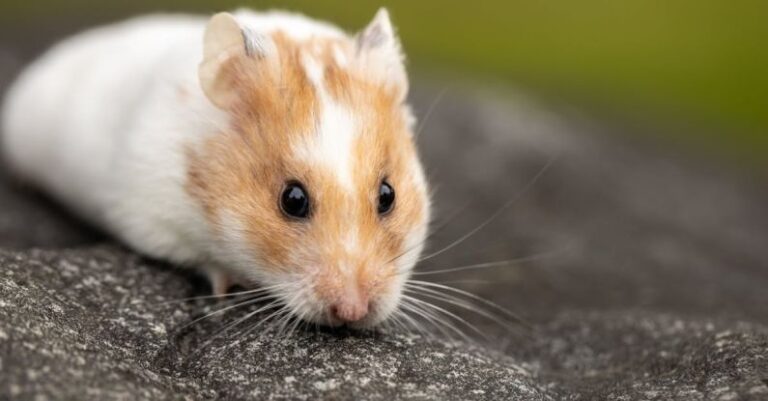

Hamsters are delightful and endearing creatures that make popular pets for many people. If you’re considering breeding hamsters, there are essential basics to understand to ensure the process goes smoothly and ethically. Breeding hamsters can be a rewarding experience, but it also comes with responsibilities and considerations that every prospective breeder should be aware of.
Selecting Suitable Hamsters for Breeding
Choosing the right hamsters for breeding is crucial to ensure healthy offspring. Opt for hamsters that are at least three to four months old, as younger hamsters may not be fully mature or ready for breeding. It’s also important to select hamsters that are in good health and free from any genetic disorders or illnesses that could be passed on to their offspring. Ensure that the hamsters have no signs of malnutrition, parasites, or injuries before proceeding with breeding.
Understanding Hamster Breeding Cycles
Hamsters have a unique breeding cycle that differs from other animals. Female hamsters can come into heat every four days, with the heat lasting for around 12 hours. It’s essential to be aware of the timing of the female’s heat cycle to ensure successful breeding. Male hamsters, on the other hand, are ready to breed at any time. To prevent accidental or unwanted pregnancies, it’s crucial to keep male and female hamsters separated when breeding is not intended.
Creating a Suitable Breeding Environment
Providing a suitable breeding environment for your hamsters is essential for the health and well-being of both the parents and offspring. A spacious cage with plenty of bedding, nesting material, and hiding spots will help the hamsters feel comfortable and secure during the breeding process. Ensure that the cage is kept clean and free from any potential hazards that could harm the hamsters or their offspring.
Monitoring the Breeding Process
Once you have selected the hamsters for breeding and created a suitable environment, it’s important to monitor the breeding process closely. Introduce the male hamster to the female’s cage during her heat cycle, and observe their interactions. It’s normal for the male hamster to chase the female and exhibit mating behaviors. However, if the female shows signs of aggression or distress, separate the hamsters immediately to prevent injuries.
Caring for Pregnant Hamsters
If the breeding is successful, the female hamster will become pregnant and give birth to a litter of pups in about 16 to 18 days. During this time, it’s crucial to provide the pregnant hamster with a nutritious diet rich in protein, vitamins, and minerals to support her health and the development of the pups. Ensure that the cage is kept warm, quiet, and free from disturbances to reduce stress on the pregnant hamster.
Welcoming the Newborn Pups
When the pregnant hamster gives birth, she will typically do so in a nest that she has prepared beforehand. The newborn pups are born hairless, blind, and deaf, and they rely entirely on their mother for warmth, nourishment, and care. Avoid handling the newborn pups in the first two weeks of their lives to prevent stress and potential harm. Providing a quiet and calm environment for the mother and pups is essential for their well-being.
Ensuring the Health and Welfare of the Hamsters
Throughout the breeding process and the care of the newborn pups, it’s essential to prioritize the health and welfare of the hamsters above all else. Regularly monitor the hamsters for any signs of illness, injury, or distress, and seek veterinary care if needed. Be prepared to provide proper care, attention, and socialization to the hamsters to ensure they lead happy and healthy lives.
In conclusion, breeding hamsters can be a fulfilling and educational experience for pet owners who are well-prepared and committed to the process. By understanding the basics of hamster breeding, selecting suitable hamsters, creating a suitable breeding environment, monitoring the breeding process, caring for pregnant hamsters, welcoming the newborn pups, and ensuring the health and welfare of the hamsters, breeders can help contribute to the well-being of these charming little creatures. Remember that responsible breeding practices are essential to prevent overpopulation and ensure the health and happiness of hamsters in your care.