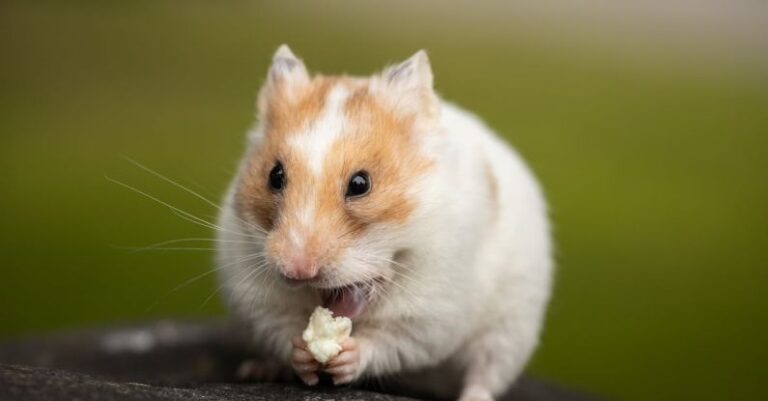

Creating the Ideal Breeding Environment
Breeding animals can be a rewarding experience, whether you are a professional breeder or a hobbyist. However, to ensure the success of your breeding program, it is crucial to provide the ideal environment for your animals. A well-designed breeding environment can contribute to the health, well-being, and productivity of your animals. Here are some essential tips on how to create the perfect breeding environment.
Understanding the Needs of Your Species
The first step in creating the ideal breeding environment is to understand the specific needs of the species you are working with. Different animals have different requirements when it comes to breeding, and it is essential to tailor the environment to meet these needs. Research the natural habitat of the species you are breeding, including factors such as temperature, humidity, light levels, and nesting preferences. By understanding the natural environment of your animals, you can create a breeding environment that closely mimics their natural habitat.
Providing Adequate Space
One of the most critical factors in creating the ideal breeding environment is providing adequate space for your animals. Overcrowding can lead to stress, aggression, and poor breeding performance. Ensure that your breeding enclosures are spacious enough to allow your animals to move freely and exhibit natural behaviors. Consider the size and social structure of the species you are working with when designing your breeding enclosures. Providing ample space will not only improve breeding success but also contribute to the overall health and well-being of your animals.
Maintaining Optimal Environmental Conditions
Maintaining optimal environmental conditions is crucial for successful breeding. Temperature, humidity, and lighting are essential factors that can impact breeding performance. Monitor and regulate these environmental parameters to create a stable and comfortable breeding environment for your animals. Provide heating and cooling options to ensure that the temperature remains within the optimal range for breeding. Use lighting to simulate natural day-night cycles and promote breeding behavior. Additionally, maintain proper humidity levels to prevent dehydration and respiratory issues in your animals.
Ensuring Proper Nutrition
Nutrition plays a vital role in the breeding success of your animals. Providing a balanced diet that meets the specific nutritional requirements of your species is essential for reproductive health. Consult with a veterinarian or a nutritionist to develop a feeding program that supports breeding performance. Ensure that your animals have access to fresh water and high-quality food at all times. Consider supplementing their diet with vitamins and minerals to support reproductive health. Proper nutrition will not only improve breeding success but also contribute to the overall health and vitality of your animals.
Minimizing Stress
Stress can have a significant impact on breeding success. Minimize stress in your animals by providing a calm and secure breeding environment. Avoid sudden changes in their environment or routine, as this can cause stress and disrupt breeding behavior. Handle your animals gently and minimize disturbances in their breeding enclosures. Provide hiding spots or shelters where your animals can retreat to when they feel stressed. By creating a low-stress environment, you can enhance breeding performance and increase the likelihood of successful reproduction.
Monitoring and Record-Keeping
Monitoring your animals and keeping detailed records are essential for successful breeding. Monitor breeding behavior, reproductive cycles, and health indicators to track the progress of your breeding program. Keep detailed records of breeding pairs, mating dates, birth rates, and any health issues that may arise. This information can help you identify trends, troubleshoot problems, and make informed decisions to improve breeding success. Regularly review and update your records to ensure that your breeding program is on track and meeting your goals.
Conclusion:
Creating the ideal breeding environment is essential for the success of your breeding program. By understanding the needs of your species, providing adequate space, maintaining optimal environmental conditions, ensuring proper nutrition, minimizing stress, and monitoring your animals, you can create a breeding environment that promotes health, well-being, and productivity. With careful planning and attention to detail, you can set the stage for successful breeding and the growth of a healthy and thriving population of animals.