
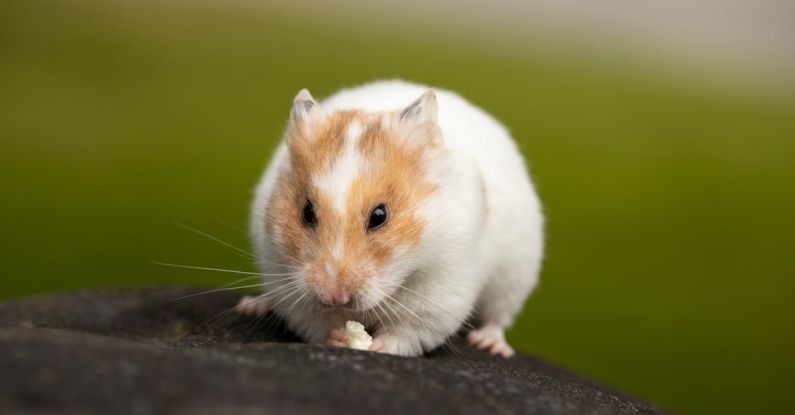
Welcoming a newborn hamster into your home is an exciting and rewarding experience. These tiny creatures are fragile and require special care to ensure they thrive and grow into healthy adults. In this guide, we will discuss essential tips on how to care for newborn hamsters, from providing a suitable habitat to feeding and handling them with care.
**Setting Up the Habitat**
When bringing newborn hamsters home, it’s crucial to have a suitable habitat ready for them. A spacious cage with a secure lid is essential to prevent any escapes. Ensure the cage has proper ventilation and is placed in a quiet area away from direct sunlight and drafts. Line the bottom of the cage with a safe bedding material such as aspen shavings or paper-based bedding to keep the newborn hamsters warm and comfortable.
**Temperature and Humidity Control**
Maintaining the right temperature and humidity levels in the hamster cage is vital for the health of newborn hamsters. Keep the cage in a room with a consistent temperature between 65-75°F (18-24°C). Avoid placing the cage near air conditioning units or heating vents to prevent fluctuations in temperature. Additionally, ensure the humidity levels in the cage are around 40-60% to prevent respiratory issues in newborn hamsters.
**Feeding and Hydration**
Newborn hamsters rely on their mother’s milk for the first few weeks of their lives. If the mother is absent or unable to nurse the babies, you may need to hand-feed them with a special formula designed for baby hamsters. Consult with a vet or a knowledgeable breeder for guidance on feeding newborn hamsters.
As the newborn hamsters grow, you can gradually introduce solid food into their diet. Offer a high-quality commercial hamster food supplemented with fresh vegetables, fruits, and occasional treats like mealworms or sunflower seeds. Ensure fresh water is always available in a shallow dish or a water bottle with a sipper tube that is accessible to the newborn hamsters.
**Socialization and Handling**
While it’s essential to handle and socialize newborn hamsters to ensure they become comfortable with human interaction, it’s crucial to do so with care and gentleness. Start by allowing the mother to get familiar with your scent by placing a piece of clothing with your scent in the cage. Once the newborn hamsters are around two weeks old, you can begin handling them for short periods each day to build trust and bond with them.
When handling newborn hamsters, scoop them up gently with cupped hands and avoid sudden movements or loud noises that may startle them. Always supervise children when they are handling newborn hamsters to prevent any accidents or injuries.
**Health Monitoring and Veterinary Care**
Regular health monitoring is essential to ensure the well-being of newborn hamsters. Keep an eye on their weight, activity levels, and overall appearance to detect any signs of illness or distress. If you notice any abnormalities such as lethargy, loss of appetite, or difficulty breathing, consult with a veterinarian who has experience in treating small animals like hamsters.
**In Conclusion**
Caring for newborn hamsters requires patience, dedication, and a keen eye for detail. By providing a safe and comfortable habitat, a nutritious diet, gentle handling, and regular health checks, you can give these tiny creatures the best start in life. Remember that each hamster is unique, so tailor your care routine to meet the individual needs of your newborn hamsters. With proper care and attention, your newborn hamsters will grow into happy and healthy adult hamsters that bring joy and companionship to your life.