
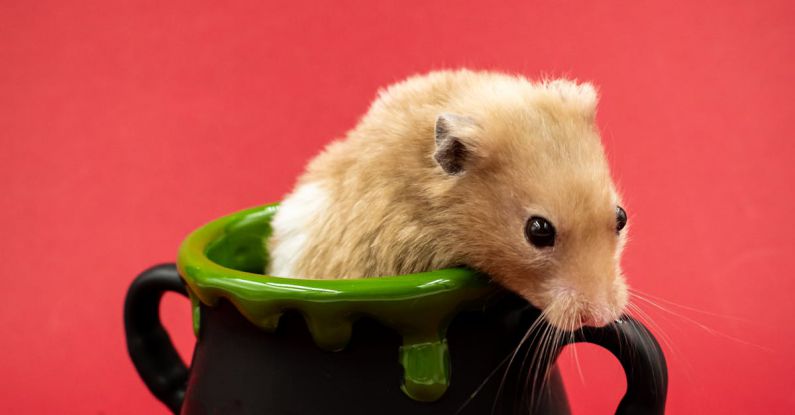
Hamsters are often thought of as solitary creatures, content to spend their days in their cages, running on their wheels and burrowing in their bedding. However, socializing your hamster can have numerous benefits for both you and your furry friend. Building a bond with your hamster through regular interaction and handling can lead to a happier, more sociable pet. Here are some of the key benefits of socializing your hamster.
Enhances Bonding
One of the primary benefits of socializing your hamster is the opportunity to strengthen the bond between you and your pet. By spending time with your hamster each day, talking to them, offering treats, and gently handling them, you can build trust and familiarity. Over time, your hamster will come to recognize you as a source of comfort and security, making them more relaxed and at ease in your presence. This bond can lead to a more enriching and rewarding pet ownership experience.
Improves Handling Skills
Regular socialization can also help improve your hamster’s tolerance for handling. By gradually introducing your hamster to being touched and held, you can help them become more comfortable with human interaction. This can be especially beneficial if you need to handle your hamster for routine tasks such as cage cleaning, grooming, or veterinary check-ups. A well-socialized hamster is less likely to become stressed or agitated when being handled, making these tasks easier and less stressful for both of you.
Prevents Loneliness and Boredom
Hamsters are social animals that benefit from companionship and interaction. In the wild, they live in groups and engage in social behaviors such as grooming and playing. By socializing your hamster and providing them with regular human interaction, you can help prevent feelings of loneliness and boredom. Spending time with your hamster can stimulate their mind, provide mental enrichment, and stave off negative behaviors that can result from isolation, such as excessive chewing or aggression.
Promotes Mental Stimulation
Socializing your hamster can also provide valuable mental stimulation. Interacting with your pet, offering new toys and activities, and creating a stimulating environment can help keep your hamster’s mind active and engaged. Mental stimulation is important for preventing boredom and depression in hamsters, as well as promoting overall well-being. Engaging your hamster in interactive play, training exercises, and enrichment activities can help keep them mentally sharp and happy.
Encourages Positive Behaviors
Regular socialization can help reinforce positive behaviors in your hamster. By rewarding good behavior with treats, praise, and attention, you can encourage your hamster to continue exhibiting desirable traits. Positive reinforcement is an effective training method that can be used to teach your hamster tricks, improve their litter habits, and promote friendly interactions. By socializing your hamster in a positive and consistent manner, you can help shape their behavior and strengthen your bond with them.
Conclusion: Socializing your hamster is a rewarding and beneficial experience for both you and your pet. By taking the time to interact with your hamster regularly, you can enhance your bond, improve their handling skills, prevent loneliness and boredom, promote mental stimulation, and encourage positive behaviors. Whether you have a new hamster or a long-time companion, investing in socialization can lead to a happier, healthier, and more sociable pet.