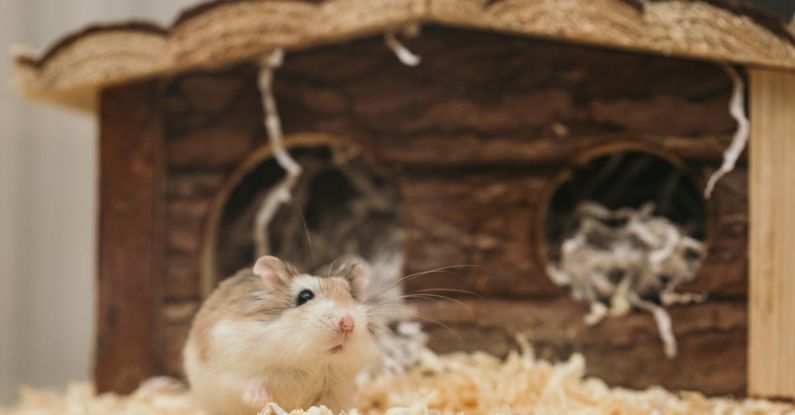
Hamsters are adorable, energetic creatures that make great pets for both children and adults. However, just like any other pet, they require proper care and training to ensure their well-being and happiness. Training hamsters can be a fun and rewarding experience, but it requires patience, consistency, and the right techniques. In this article, we will explore the best training techniques for hamsters that will help you build a strong bond with your furry friend.
Understanding Your Hamster’s Behavior
Before diving into training techniques, it’s essential to understand your hamster’s behavior. Hamsters are naturally curious and intelligent animals, but they can also be timid and easily startled. It’s important to approach training with a gentle and patient mindset, respecting your hamster’s individual personality and preferences.
Creating a Positive Training Environment
Creating a positive training environment is crucial for successful hamster training. Choose a quiet and calm area free from distractions where you can work with your hamster one-on-one. Make sure the training sessions are short and frequent to keep your hamster engaged and interested. Always reward your hamster with treats and praise for good behavior to reinforce positive associations.
Hand Taming
Hand taming is one of the most important training techniques for hamsters, especially if you want to handle them regularly. To hand tame your hamster, start by placing your hand in their cage with a treat on your palm. Allow your hamster to approach and sniff your hand at their own pace. Avoid sudden movements or loud noises that could startle your hamster. Gradually build trust by offering treats and gently petting your hamster once they feel comfortable with your presence.
Litter Box Training
Litter box training can help keep your hamster’s cage clean and hygienic. Hamsters are naturally clean animals and will often designate a specific corner of their cage for bathroom use. To encourage litter box training, place a small litter box filled with hamster-safe bedding in the corner of your hamster’s cage where they tend to eliminate. Reward your hamster with treats when they use the litter box correctly and clean up any accidents promptly to reinforce good habits.
Teaching Tricks
Teaching your hamster tricks is a fun way to bond with your pet and stimulate their mind. Start with simple tricks like teaching your hamster to spin in a circle or stand on their hind legs. Use positive reinforcement techniques such as clicker training or verbal cues paired with treats to guide your hamster through the desired behavior. Be patient and consistent with your training sessions, and always end on a positive note to keep your hamster motivated.
Socialization
Socialization is an essential aspect of hamster training, especially if you have more than one hamster or if you want to introduce your hamster to other pets. Allow your hamsters to interact with each other in a neutral space under close supervision to prevent any aggressive behavior. Gradually increase the duration of socialization sessions to help your hamsters build a positive relationship with each other.
Engaging Toys and Activities
Hamsters are active animals that require mental stimulation and physical exercise to stay healthy and happy. Provide your hamster with a variety of toys, tunnels, and climbing structures to keep them entertained. Rotate the toys regularly to prevent boredom and encourage exploration. Interactive toys such as puzzle feeders or hamster wheels are great options to keep your hamster engaged and mentally stimulated.
Maintaining a Healthy Diet
A healthy diet is essential for your hamster’s overall well-being and can impact their behavior and training progress. Provide your hamster with a balanced diet consisting of high-quality hamster pellets, fresh vegetables, fruits, and occasional treats. Make sure your hamster has access to fresh water at all times and monitor their eating habits to ensure they are getting the necessary nutrients.
In Summary
Training hamsters requires patience, consistency, and a good understanding of your pet’s behavior. By creating a positive training environment, hand taming your hamster, teaching tricks, promoting socialization, providing engaging toys and activities, and maintaining a healthy diet, you can build a strong bond with your furry friend and enhance their quality of life. Remember to always approach training with love and respect for your hamster’s individual needs and preferences. With dedication and the right techniques, you can help your hamster thrive and enjoy a happy and fulfilling life as your beloved companion.